

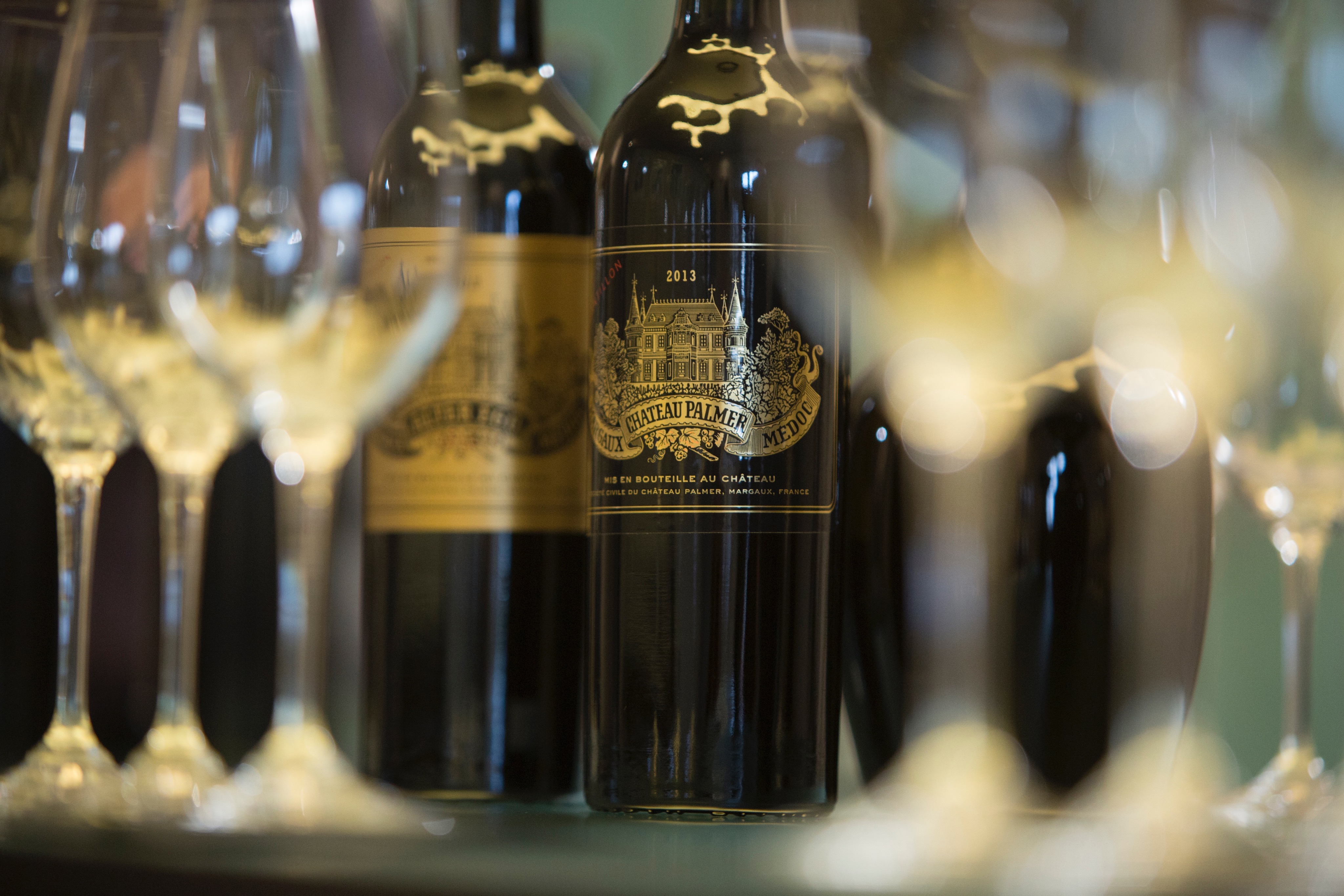
Palmer is Margaux's most seductive wine - perfume over power, and all the more dangerous for it.
Walk into any serious Bordeaux conversation and someone will eventually say "Palmer punches above its classification" — and they'll be right, and they'll also be a little bored of saying it, because it's been true for sixty years.
Château Palmer sits in Margaux, a few hundred metres from Château Margaux itself, and was classified a Third Growth in 1855 — a ranking that has flattered exactly nobody since. In good vintages it trades, and tastes, closer to First Growth territory. That's not marketing. That's history: 1961 Palmer is one of the most mythologised Bordeaux of the 20th century, a wine that regularly outshone the First Growths that were meant to be beating it.
What sets Palmer apart technically is the blend. Most Margaux estates lean hard on Cabernet Sauvignon. Palmer doesn't — its Grand Vin typically carries an unusually high proportion of Merlot (often 40%+) alongside Cabernet Sauvignon and a genuinely meaningful slice of Petit Verdot, which is rare at this level. That's the source of the house style: silk instead of structure, perfume instead of punch, a wine that seduces early rather than making you wait a decade for the tannins to soften.
Since 2004, under technical director Thomas Duroux, the estate has gone further — converting to biodynamic viticulture (fully certified since 2014), one of the first Bordeaux First/Second-tier estates to commit to it at this scale. Whether or not you buy into biodynamics as philosophy, the effect on the wine has been real: more precision, more freshness, less reliance on new oak to carry it.
And then there's Historique XIX — Palmer's other project, a wine deliberately made using pre-1855 techniques: field blends, co-fermentation, no destemming, foot-treading. It's less a wine than a working argument about what Bordeaux tasted like before modern winemaking standardised everything. Worth knowing about even if you never sell a bottle of it — it tells the Palmer story better than any tasting note can.
For a wine list or an investment conversation, the practical points that matter:
- Appellation: Margaux AOC, Bordeaux
- Classification: Troisième Cru Classé (1855) — consistently outperforms it
- Signature blend: Cabernet Sauvignon, Merlot (unusually high %), Petit Verdot
- Viticulture: Biodynamic, certified since 2014
- Second wine: Alter Ego de Palmer
- Special cuvée: Historique XIX, made using pre-phylloxera techniques
- Drinking window: Approachable earlier than most Margaux First Growths, but the great vintages (1961, 1989, 2000, 2010, 2016) age for decades
- Why it matters for investment: Consistently trades above its 1855 rank, with a collector base that treats it as a "hidden" blue-chip
Chateau Palmer
2014

Alter Ego
2019
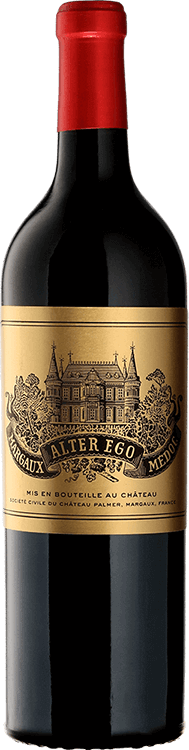
Alter Ego
2022
